Iris Hayes · 8 October 2026
Decoding Workflow Synergies in Niche Platform Ecosystems
Platform ecosystems that serve specialized markets continue to expand their reach in 2026 as businesses seek tighter connections between tools that handle distinct operational tasks, and observers note that these connections often produce measurable gains in process efficiency when data moves seamlessly between applications without manual intervention. Researchers at various institutions have tracked how niche platforms, from creator management suites to industry-specific analytics hubs, achieve these gains through shared protocols that allow tasks to trigger automatically across systems.
Core Mechanisms Behind Platform Connections
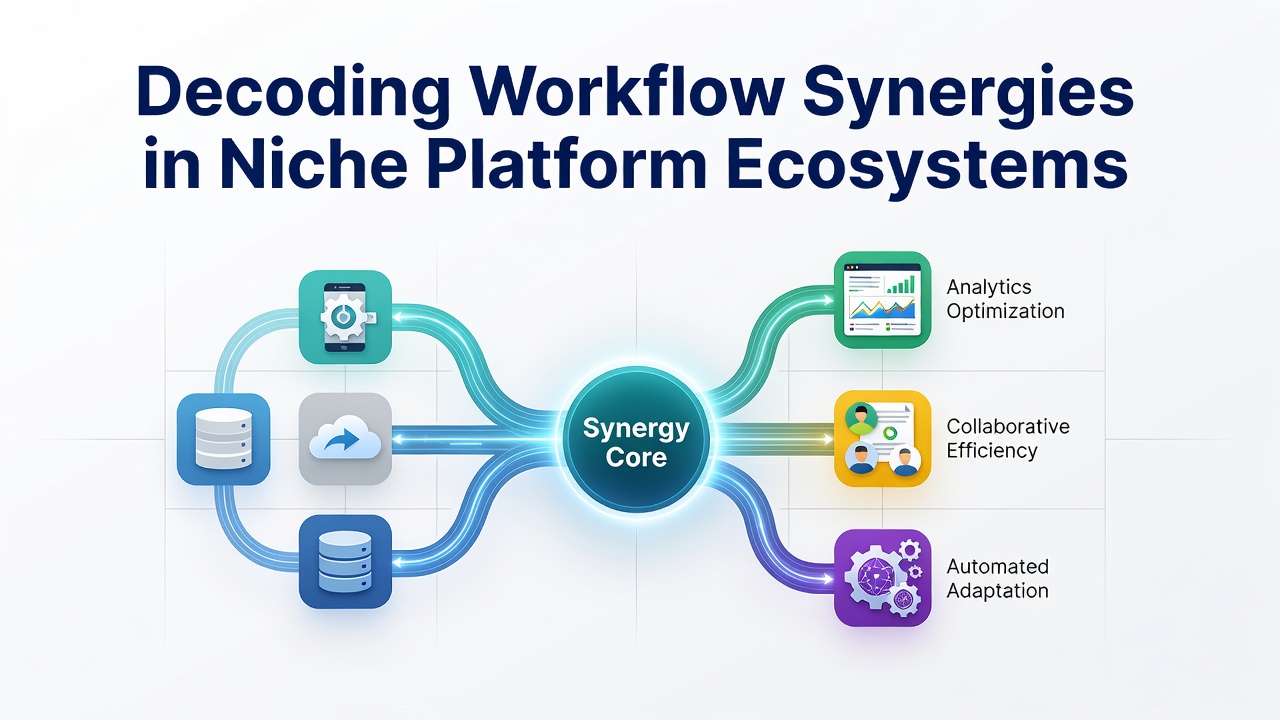
Workflow synergies emerge when platforms align their data structures so that outputs from one system feed directly into inputs for another, and studies from academic centers indicate this alignment reduces duplication while accelerating decision cycles. Data shows that organizations using such aligned systems report shorter turnaround times on routine operations because updates in one application propagate instantly to connected modules rather than requiring separate entries. Those who've examined multiple ecosystems find that standardized APIs form the backbone of these alignments, yet the real leverage comes from how niche platforms customize those standards to fit sector-specific data types like project timelines in design tools or compliance logs in regulatory software.
October 2026 brought fresh reports from international bodies highlighting adoption rates across regions, with figures revealing that European firms lead in deploying cross-platform automations while North American counterparts focus on scaling existing connections. The reality is that successful synergies depend on matching the granularity of data fields between platforms so that context remains intact during transfers, and experts have observed this matching process often requires iterative testing rather than one-time configuration.
Examples from Specialized Sectors
Take the case of independent publishing networks where content calendars sync with distribution analytics platforms; one study revealed that teams using these linked systems cut revision cycles by integrating feedback loops directly into scheduling modules. There's this instance where logistics operators connected inventory trackers with supplier bidding tools, resulting in automated reorder triggers that adjusted for real-time pricing signals without additional oversight. People who've implemented similar setups in creative agencies often discover that file collaboration platforms exchange metadata with billing systems to generate invoices based on completed deliverables tracked automatically.

Industry organizations such as the OECD digital economy reports document how these patterns appear across multiple verticals, and the data indicates that platforms built around narrow user bases tend to develop deeper integrations because their smaller scale allows quicker adaptation to partner requirements. What's significant is the role of middleware layers that translate between differing data formats, enabling older legacy tools to participate in modern ecosystems without full replacement.
Measurement and Scaling Factors
Quantifying the impact of these synergies requires tracking metrics like cycle time reductions and error rates before and after connections form, while research from Canadian statistical agencies shows average improvements in operational throughput when platforms share authentication and notification services. Observers note that scaling these benefits involves monitoring bandwidth demands as data volumes grow, since high-frequency updates can strain connections if not optimized through caching or batch processing. Yet the patterns hold steady across cases where teams establish clear ownership of shared data fields to prevent conflicts during simultaneous edits.
Academic papers from institutions in Australia have examined governance models that support sustained synergies, finding that contractual agreements specifying update frequencies and error-handling procedures correlate with longer-lasting platform relationships. The writing's on the wall that as more niche platforms adopt event-driven architectures, the frequency of automated handoffs increases, which in turn demands robust logging to trace issues back to their source.
Conclusion
Workflow synergies in niche platform ecosystems rest on precise data alignment and automated triggers that connect specialized tools into cohesive operational chains, and ongoing measurements continue to validate efficiency gains across sectors. Those monitoring developments into late 2026 see continued emphasis on middleware and governance frameworks that keep these connections reliable as ecosystems expand. The ball remains in the court of platform providers to refine these linkages while maintaining data integrity across diverse user environments.